Daylight Savings Time in Great Britain: When the Clock Changes, So Does Daily Life
Daylight Savings Time in Great Britain: When the Clock Changes, So Does Daily Life
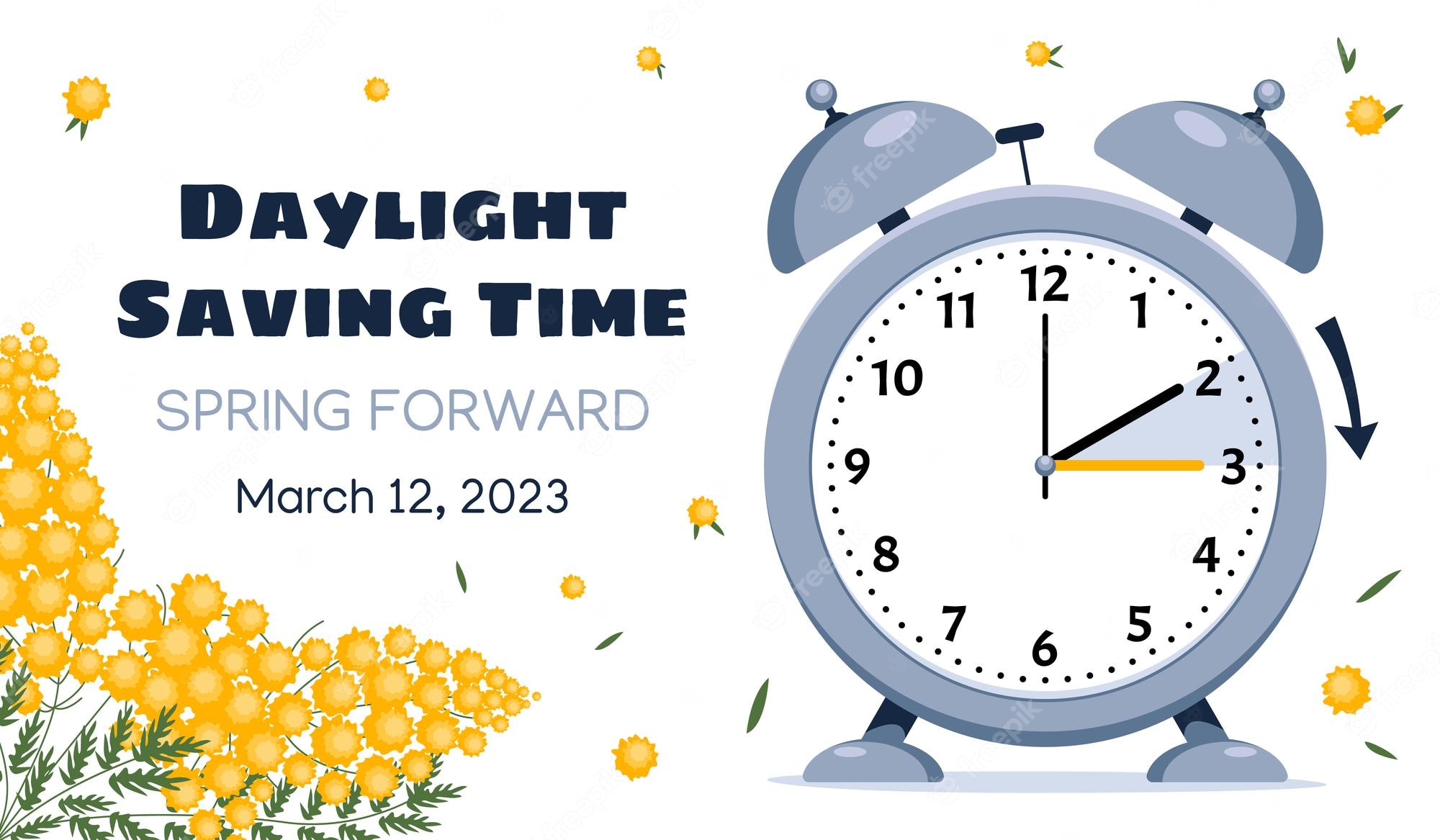
Each spring, as days stretch longer and British skylines grow bathed in milder light, the nation prepares for a shift that edits not just watches, but routines, productivity, and public mood: Daylight Savings Time (DST). While often marked by the simple flip of a clock, the practice’s history, implementation, and cultural impact in Great Britain reveal a complex interplay of tradition, energy policy, and everyday behavior. From its wartime origins to modern debates over effectiveness, DST continues to shape how millions begin their days.
The practice arrived in Britain during the gas-powered urgency of World War I, introduced in May 1916 as a measure to conserve coal by extending natural daylight into evening hours. “The clock changes to make better use of daylight — saving fuel, saving lives,” declared the Board of Trade


Related Post

From the Pitch to Beyond: Xavi And Peggy Simons’ Footballing Legacy as a Father-Daughter Duo

The Multifaceted Genius of Donald Glover Sr: Beyond the Screen, a Tapestry of Talent

Decoding Methanol: The Secret Power Behind the World’s Simplest Alcohol, Revealed via Its Lewis Structure

Jackson, Wyoming, Soars 7,720 Feet Above Valley Floor — A High-Altitude Jewel Among America’s Most Prized Towns


