Gastrotheca Guentheri: The Enigmatic Alpine Frog of Central Andean Forests
Gastrotheca Guentheri: The Enigmatic Alpine Frog of Central Andean Forests
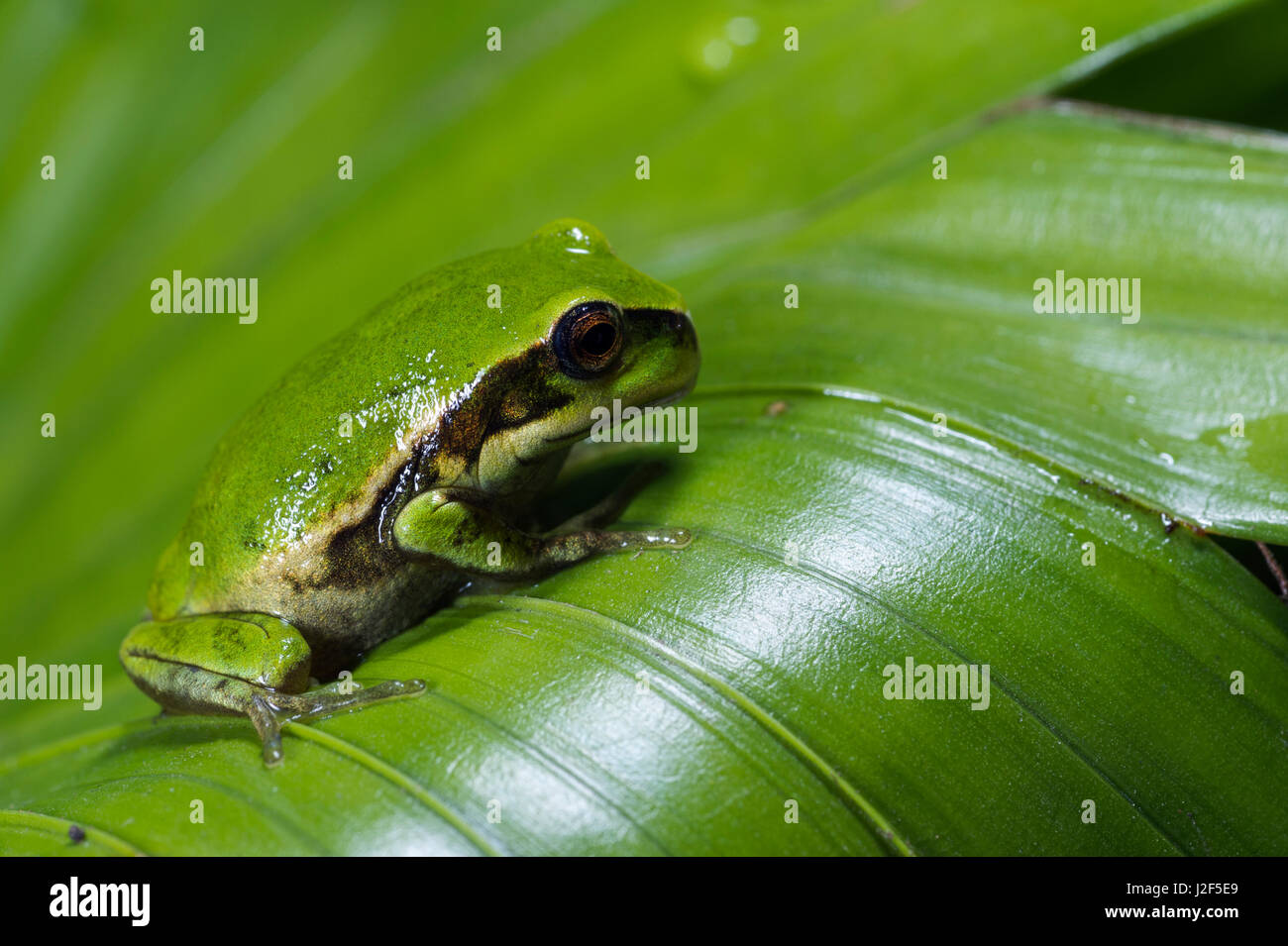
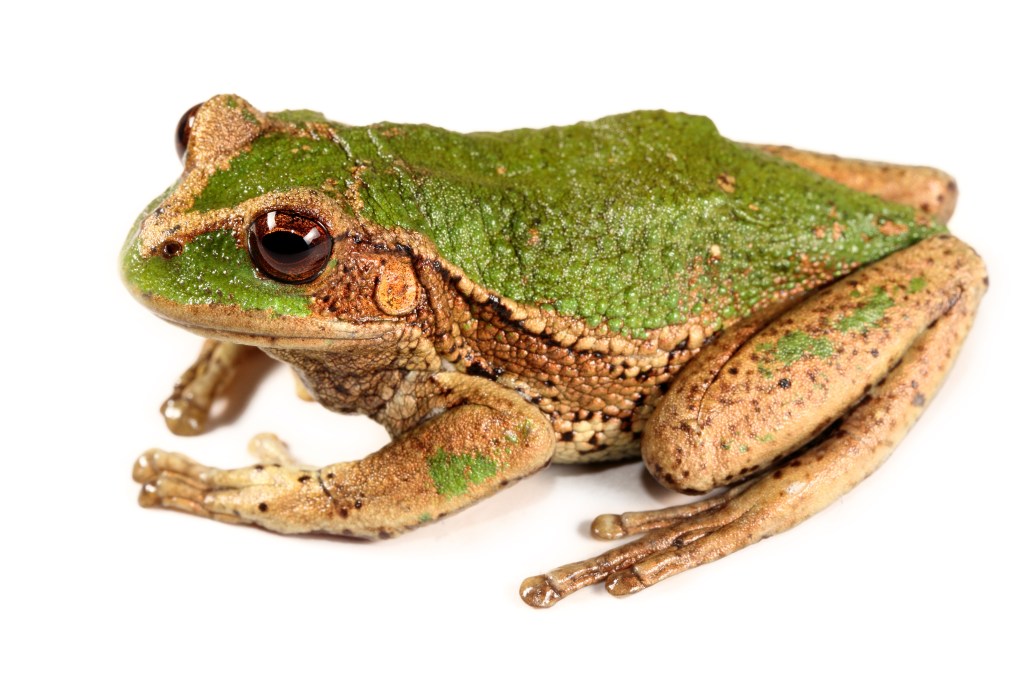
Nestled in the mist-laden cloud forests of the Central Andes, Gastrotheca guentheri emerges as a small but ecologically significant amphibian, renowned for its unique reproductive strategy and elusive nature. This lesser-known species, a member of the family Hemiphractidae, captures scientific fascination not only for its physiological adaptations but also for its role as a bioindicator in fragile high-altitude ecosystems. Computing its place in amphibian biodiversity, Gastrotheca guentheri represents a remarkable case of evolutionary specialization, offering profound insights into how life persists in Earth’s most challenging environments.
Habitat and Distribution: Squeezed Between Sky and Stream Native to the cloud forests stretching across Colombia, Ecuador, and northern Peru, Gastrotheca guentheri thrives in cool, humid regions between 1,800 and 3,000 meters elevation. These high-altitude ecosystems are characterized by dense moss-covered understories, persistent fog, and narrow, rocky stream edges—conditions that sustain the delicate moisture balance required by this species. Unlike many frogs, it does not breed in permanent water bodies; instead, adults rely on plastic egg capsules brooded beneath leaves or in forest crevices, a reproductive method tightly linked to its specific microhabitat.
“The precision of its habitat requirements makes G. guentheri highly vulnerable to even minor environmental shifts,” notes herpetologist Dr. María López.
“Any alteration in canopy cover or moisture regimes can disrupt breeding cycles and threaten local populations.”
Despite covering only a fragmented geographic range, Gastrotheca guentheri maintains narrow ecological niches, avoiding disturbed lowland zones in favor of undisturbed montane trenches. This habitat specificity underscores the species’ role as a sentinel of ecological health—its presence signals intact, functioning ecosystems, while its decline marks the early stages of habitat degradation. Snowmelt patterns, cloud movement, and leaf litter moisture all influence its survival, making climate change an emerging threat on a planetary scale.
Reproductive Biology: A Pioneering Brooding Strategy One of the most defining traits of Gastrotheca guentheri is its unconventional reproductive behavior.Unlike most frogs that lay eggs in water or moist soil, this species carries fertilized eggs in a specialized ventral brood pouch—a trait shared with its genus Gastrotheca and other non-poisonous frogs in the Hemiphractidae family. These gelatinous capsules, ranging from 3 to 5 millimeters in diameter, are anchored beneath foliar shields or forest rock crevices, safeguarded from predators and environmental


Related Post

Honoring Lives with Dignity: Lafayette’s Martin Castille Funeral Home and Memorials of James Therian Lafleur 2021 and Inc.

Secreto Puente Viejo: Capítulo 1 - Unveiling The Mystery Beneath the Surface

The Symbolism and History Behind NHL Hockey Logos: A Visual Journey Through Branding Sports’ Premier League

Lily Allen’s LDN: Decoding the Soul in Her Song Lyrics—An Emotional Autobiography in Sound